Wilderness Landscape & Natural Heritage
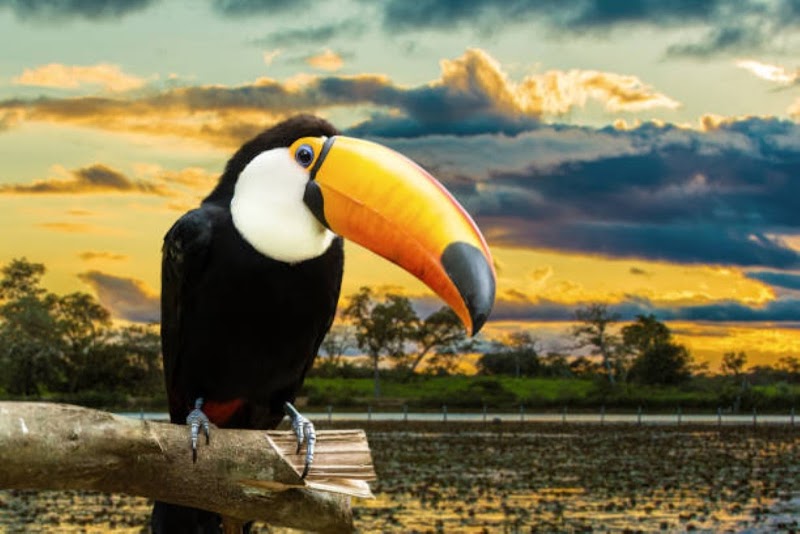
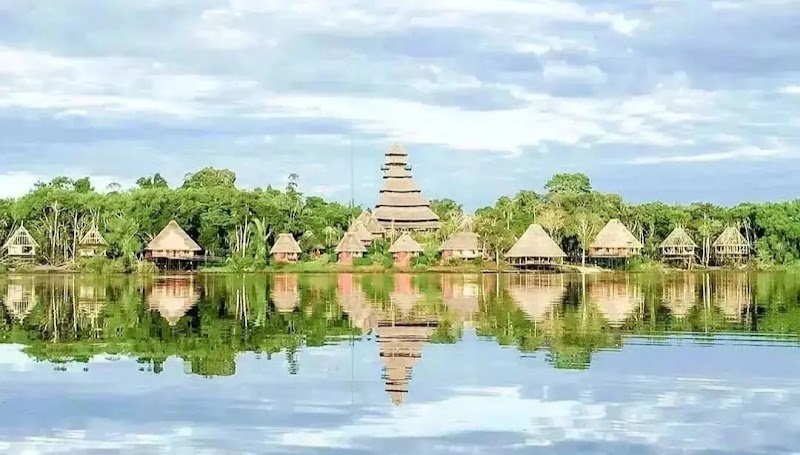
Vale do Javari National Park, established in 1998, is one of the largest protected areas in Brazil and the third-largest national park in the Amazon region. Covering approximately 8.5 million acres of largely untouched rainforest along the Javari River, it borders Peru and is notable for its incredible ecological diversity and cultural significance. The park provides habitat for countless species including jaguars, giant otters, Amazon river dolphins, and many endemic plants and animals. Importantly, it is home to numerous indigenous groups, some of which remain largely isolated, making the area an essential stronghold for indigenous culture and environmental conservation. Due to its remote location, access is challenging and visitor infrastructure is minimal, limiting tourism mainly to researchers and specialized expeditions. The park’s landscape includes varzea floodplains, terra firme forests, and an intricate network of rivers and streams, making it ideal for scientific study and eco-tourism focused on wildlife observation, birdwatching, and river-based exploration. Visitors are drawn by the unparalleled wilderness experience, though it remains critical to respect indigenous territories and conservation regulations. Vale do Javari plays a key role in preserving biodiversity and protecting the natural habitat from deforestation, illegal fishing, and mining activities, making it a vital ecological and cultural treasure in the Amazon basin.